Pause with
Purpose.
Siesta sleep pods and nap pods offer a structured approach to recovery
within demanding environments.
The Opportunity
Why Recovery Matters for Performance.
Most environments optimise output, not recovery.
As fatigue builds, focus drops, decisions slow and performance declines.
Controlled sleep pod recovery using nap pods helps stabilize performance across the day, not just restore it later.

The Approach to use in Siesta Sleep Pods
How Controlled Recovery Works.
Recovery can be supported deliberately through timing, environment and routine. Aligned with sleep performance expertise, this framework treats recovery as something managed across the day, not just overnight.
Think in Cycles. Not Just Hours
Recovery happens across the day, not just at night.
Use the Day. Not Just the Night
Short recovery periods help maintain output between sessions.
Control the Environment
Reducing light, noise and stimulation helps the body and mind downshift more effectively.
Keep it Practical
Simple, repeatable routines are more effective than ideal ones that are hard to maintain.
In Practice
Using Siesta Sleep Pods for Controlled Recovery.
Best used for:
Midday reset
A short sleep pod or nap pod recovery period to reduce fatigue and restore focus during natural dips in alertness.
Between high-demand sessions
Supports recovery between training, meetings or periods of sustained output, helping maintain performance across the day.
Pre-performance preparation
A controlled environment to reduce noise, settle the mind and prepare for important moments.
Post-travel fatigue
Helps manage the effects of travel, particularly long-haul or disrupted schedules.
Long shifts or study blocks
Provides a structured way to manage energy and avoid decline in focus and decision-making.
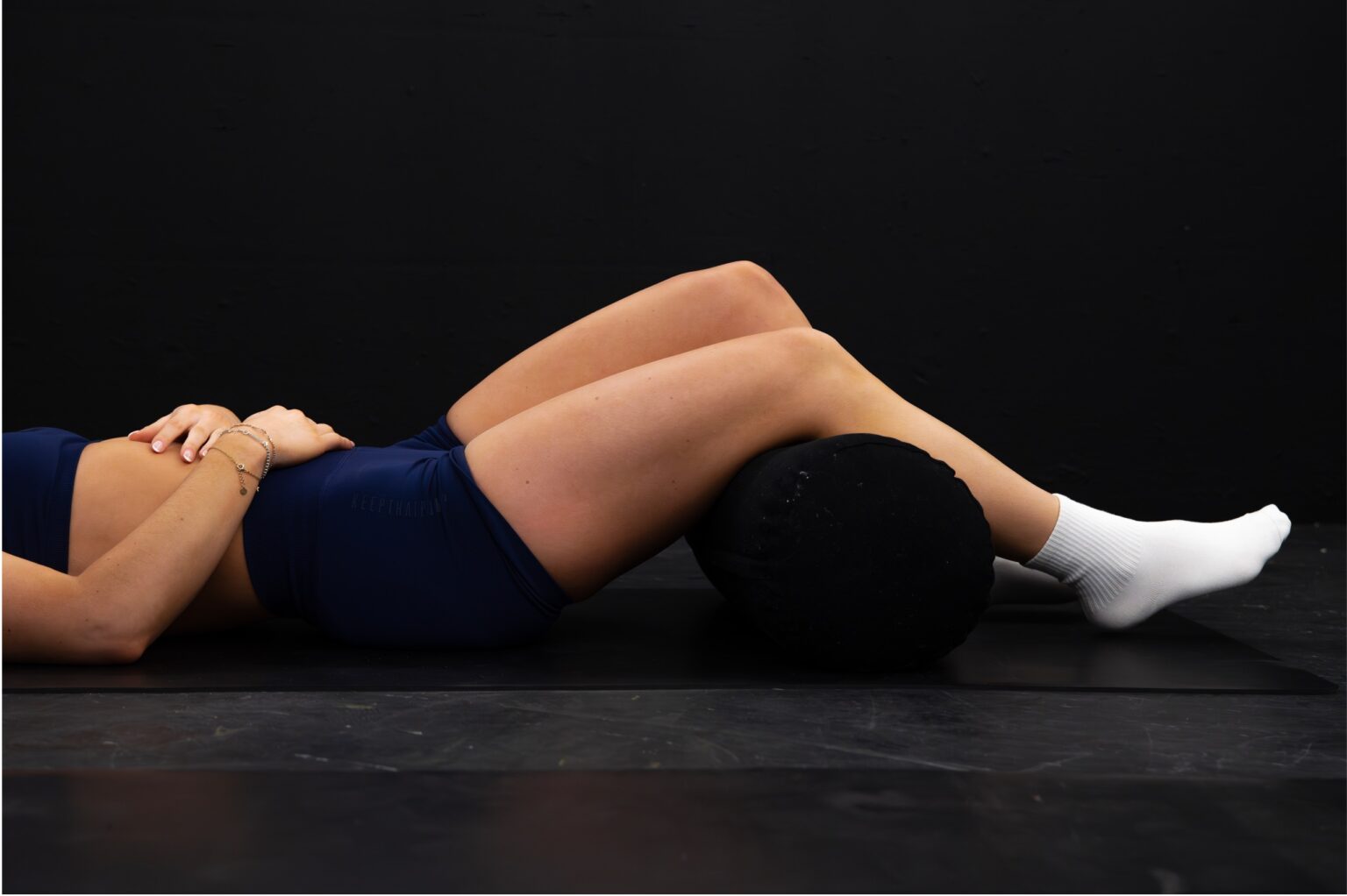
Applying Controlled Recovery.
A simple framework for integrating controlled recovery into demanding environments, from how to use the pod, to when and why it should be used.
Controlled Recovery Programming
Planning recovery at the right moments helps maintain performance rather than reacting to fatigue.
Guided Recovery Tools
Simple tools like timers, audio and apps help make recovery consistent, guided and repeatable.
The Siesta Recovery Protocol
A structured step-by-step approach to running an effective Controlled Recovery Period.
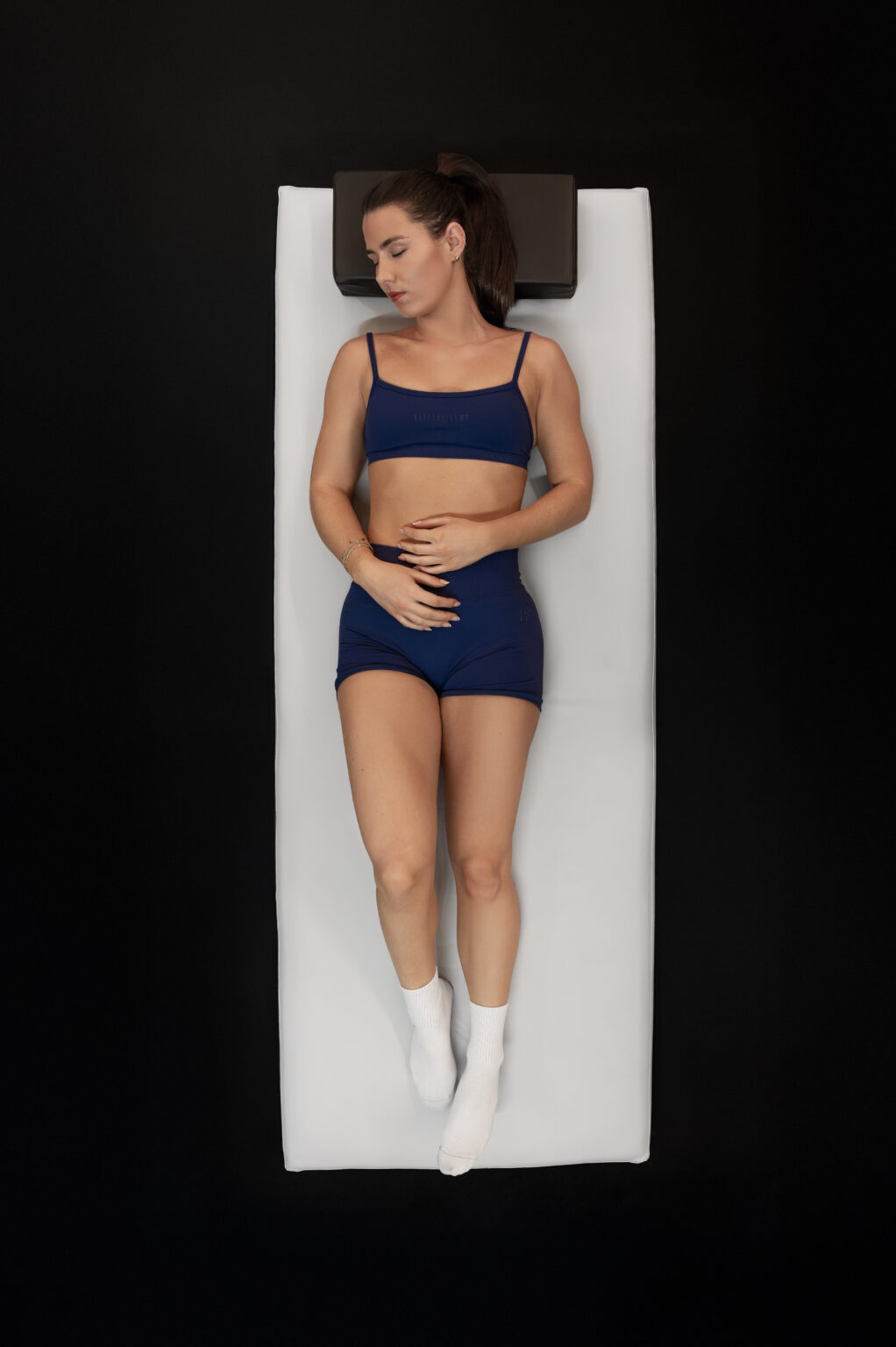
Controlled Recovery Programming.
Controlled Sleep Recovery Periods can vary depending on need, schedule and individual preference. The framework is built around two key formats:
- ~30 minutes
A short, effective recovery period to support alertness, reduce fatigue and maintain output. - ~90 minutes
A full recovery cycle, used more selectively when deeper recovery is needed.
Shorter sessions can also be used for quick resets, particularly when focused on relaxation, breathwork or guided recovery.
Guided Sleep Recovery Tools
Sleep recovery is most effective when it is intentional and repeatable.
The Siesta sleep recovery pod supports audio-guided recovery, allowing users to select a session from their preferred app or use a simple timer, depending on how they choose to recover.
This allows sleep recovery to be personalised, while still structured enough to become a repeatable habit.
Audio is played through the pod’s internal speaker, allowing users to select their session before entering and avoid screen use during recovery. This helps maintain a low-stimulation environment, while audio provides guidance, timing cues and a gentle signal when the session ends.
Examples include:
- simple timed sessions
- guided meditation (e.g. Calm or similar apps)
- sound-based recovery (e.g. Endel or adaptive audio)
How it Works
Siesta Recovery Protocol
1. Define Your Objective
Decide the purpose of the session, reset, reduce fatigue or prepare for performance. This shapes how the session is used.
2. Choose the Duration
Select the appropriate recovery window, typically ~30 minutes for a short reset or ~90 minutes for a full recovery cycle.
3. Select Your Session
Choose a timer or guided session from your preferred app, whether that’s meditation, sound-based recovery or a simple timed rest.
4. Enter the environment
Settle into the pod and transition away from external demands, preparing for a low-stimulation recovery period.
5. Reduce stimulation and recover
Minimise light, noise and input. Remain still, follow guided audio or simply rest, allowing the body and mind to downshift.
6. Return to activity
Use the audio cue or end of session as a signal to wake gently and re-engage with improved focus and readiness.
The Siesta Sleep Pods
When a Controlled Recovery is Needed Most.
- When alertness starts to drop during the day
- During long cognitive or physical sessions
- Between training or work blocks to maintain performance
- After disrupted or insufficient sleep, when recovery cycles have been missed
- After travel or schedule disruption
- Before important performance moments

The Real-World
Why Environments Matter.
A Controlled Sleep Recovery Period is only effective if the environment supports it. In most performance settings, recovery is attempted in spaces that are not designed for it, open, bright, noisy and full of distraction. This makes it difficult to fully downshift, even when time is available.
The Siesta Sleep Pods and Nap Pods are designed to remove that friction by creating a more controlled, low-stimulation environment.
It supports sleep recovery by providing:
- reduced visual stimulation through a darker, enclosed space
- lower noise and fewer external interruptions
- a greater sense of privacy and separation from the surrounding environment
- physical comfort to allow the body to relax more quickly
- a consistent, repeatable setting for recovery behaviour
Frequently Asked Questions
What are the Siesta Sleep Pods and Nap Pods?
The Siesta Sleep Pods and Nap Pods are a premium, ergonomically designed sleep pod created to deliver short, restorative rest breaks in workplaces, airports, co-working spaces, and healthcare environments. It combines comfort, privacy, and style to help improve staff and visitor well-being.
Who uses the Siesta Sleep Pods and Nap Pods?
Our sleep pods and nap pods are trusted by offices, co-working spaces, airports, and healthcare facilities around the world. They provide a dedicated rest space for employees, travellers, or patients, helping to boost wellness and performance in busy environments.
How do sleep pods and nap pods improve performance?
Research shows that short rest periods enhance alertness, decision-making, and creativity. By providing a dedicated nap space, organisations can reduce burnout, support employee engagement, and improve overall performance.
Learn more about Siesta Nap Pods and Sleep Pods today.
How do the Siesta Nap Pods and Sleep Pods improve mental health and wellbeing?
Quality rest is essential for mental clarity, mood balance, and reducing stress. The Siesta Sleep Nap Pods and Sleep Pods creates a private, comfortable environment where users can recharge, helping to lower stress, boost energy levels, and support overall mental health.
Are the Sleep Pods and Nap Pods suitable for high-traffic environments like airports or hospitals?
Yes. The Siesta Sleep Pods and Nap Pods robust construction and easy-to-clean surfaces make it ideal for high-traffic spaces such as airports, hospitals, and other public areas, while maintaining comfort and privacy.
What are the main benefits of the Siesta Sleep Pods and Nap Pods?
Key benefits include:
-
- Enhanced Performance
-
Enhanced well-being through short rest breaks.
-
Increased productivity after recovery naps.
-
Support for mental health in high-pressure environments.
-
Privacy and comfort for uninterrupted rest.
Do you provide installation of your sleep pods and nap pods?
Yes. We offer professional delivery and installation worldwide, with free installation in the EU, and UK. For other locations, we provide a tailored delivery and installation service to suit your site’s requirements.
How can I order Siesta Sleep Recovery Pods and Nap Pods?
Simply contact our team at Siesta to discuss your needs. We’ll confirm availability, arrange delivery, and schedule installation where applicable for your leading sleep recovery pod.
Contact us to learn more.
Why is controlled recovery important for performance?
As fatigue builds throughout the concentration, reaction time and decision-making naturally decline.
Controlled recovery helps reduce the effects of fatigue so people can maintain more consistent physical and cognitive performance during demanding work, study or training.
Who can benefit from controlled recovery?
Controlled recovery can benefit professionals, athletes, students, healthcare workers, shift workers and anyone working in demanding environments where sustained concentration, performance and wellbeing are important.
Siesta has provided nap pods and sleep pods for numerous organisations, sports teams and healthcare companies.
Learn more about our Chelsea Football Club Case Study
What are the Siesta Sleep Pods and Nap Pods?
The Siesta Sleep Pods and Nap Pods are a premium, ergonomically designed sleep pod created to deliver short, restorative rest breaks in workplaces, airports, co-working spaces, and healthcare environments. It combines comfort, privacy, and style to help improve staff and visitor well-being.
How long should a recovery session last?
Most structured recovery programmes use sessions of approximately:
- 30 minutes for a quick recovery and alertness boost
- 90 minutes for a complete sleep cycle when deeper recovery is required
Shorter guided relaxation sessions may also be appropriate depending on the objective.

We design controlled recovery environments for modern performance. Helping organisations support focus, energy and consistent output.
Join our Newsletter
Sign up for our newsletter to enjoy free marketing tips, inspirations, and more.